Taxes
The HSA: the only triple tax break in the code
A health savings account is deductible going in, grows without tax and comes out tax free for medical costs. No other account does all three.

If you have a high deductible health plan, you may be able to open a health savings account. Most people treat it as a medical checking account. Used well, it is one of the best retirement accounts you can have.
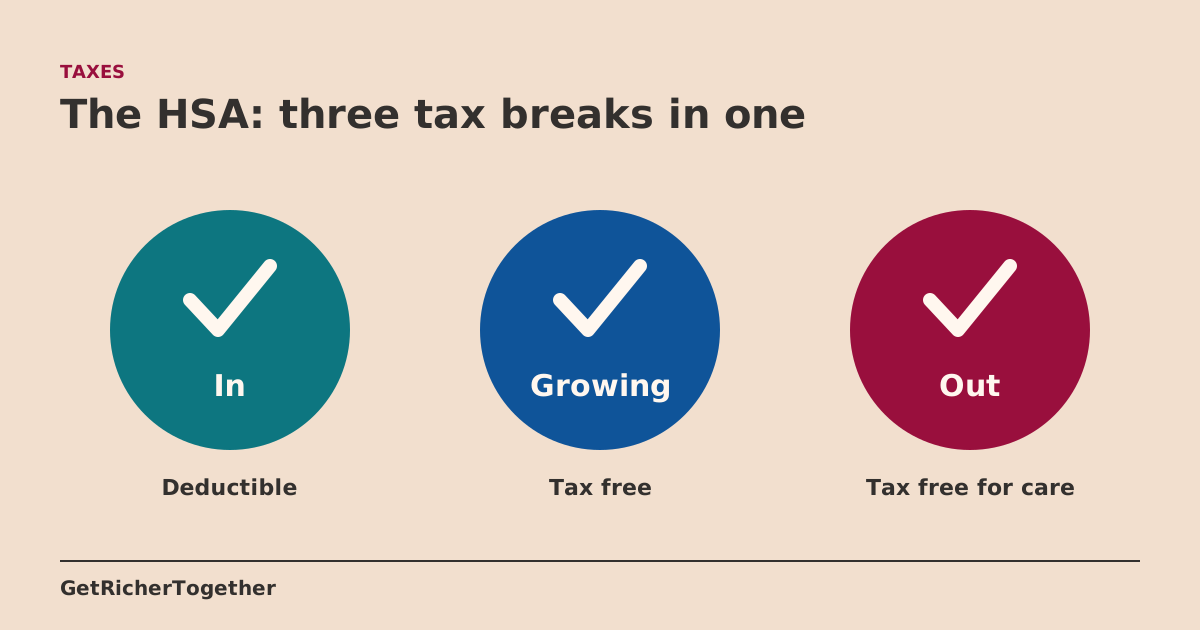
Three tax breaks
- In: contributions reduce your taxable income, and through payroll they also skip Social Security and Medicare tax.
- Growing: investments inside the account grow without tax.
- Out: withdrawals for qualified medical expenses are tax free, at any age.
A 401(k) gives you two of these. A Roth IRA gives you two. Only the HSA gives all three.
Who can open one
You need to be covered by an HSA eligible high deductible health plan and have no other disqualifying coverage. The IRS sets yearly contribution limits for self only and family coverage, with an extra catch up amount from age 55. US review
Using it as an investment account
- Invest it. Many HSAs hold the money in cash by default. Once you have a cushion for your deductible, move the rest into a low cost index fund.
- Pay small bills from your pocket if you can afford to, and let the HSA grow.
- Keep your receipts. There is no deadline for reimbursing yourself for a qualified expense incurred after the account was opened. Years later you can withdraw tax free against those receipts.
- After 65, you can withdraw for anything. Non medical withdrawals are then taxed as income, just like a traditional IRA, with no penalty.
Where it fits
On the Money Path, the HSA comes after your employer match and expensive debt, and alongside your IRA. If your employer adds money to your HSA, treat that like a match and take all of it.